What Is Shoe Break-In? How to Wear In New Football Boots Safely
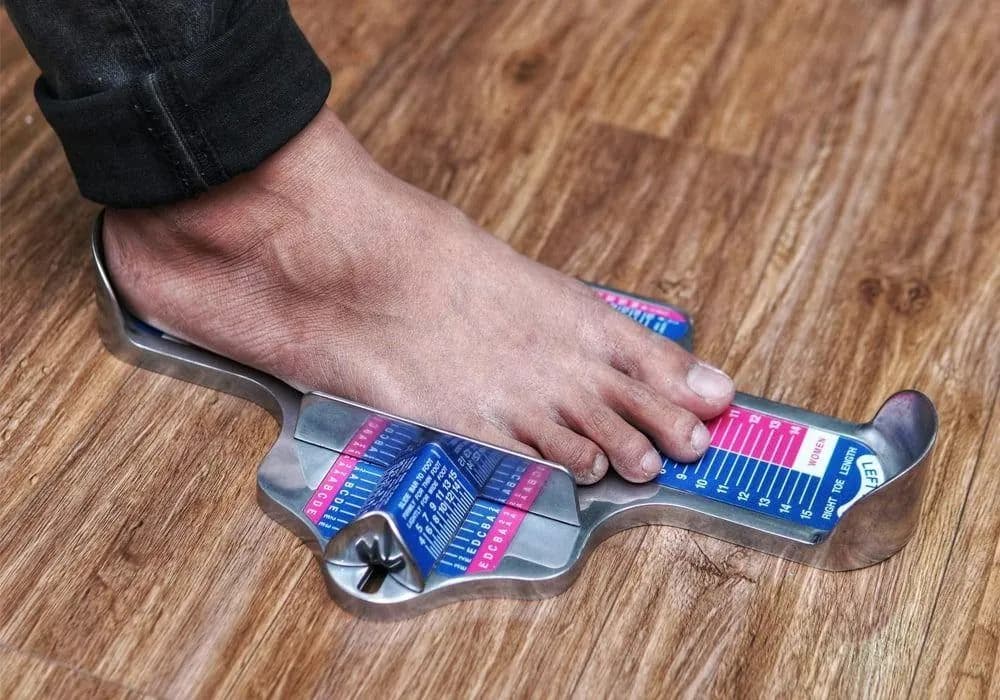
A brand-new pair of football boots looks great but rarely cooperates at first: a stiff heel, a tight toe box, a demanding tongue after every match. That getting-to-know-you phase is the break-in period — done right, the boots slowly hug your foot; done wrong, the shape is ruined before the boots are ever comfortable. This article explains what break-in means and the safe ways to do it at home.
What is shoe break-in?
Break-in is the process of "taming" a new pair of shoes: the upper gradually stretches to the shape of your foot, and your foot gradually gets used to the feel of the shoe. Just like a new motorcycle needs a gentle run-in period, a new pair of boots needs a few light sessions for the materials, seams and glue to settle around your foot.
Every pair behaves differently: some have a stiffer heel, some a narrower toe, some a tighter midfoot. The same size can feel completely different from one model to another because of design and materials. That is why break-in matters — but it is just as important to understand its limits.
First: get the right size, then break-in makes sense
No break-in method can fix a pair of shoes in the wrong size. The fastest route to comfort is buying boots that match the shape and size of your feet from the start: measure your feet with a proper measuring device and try the boots on carefully before you decide.
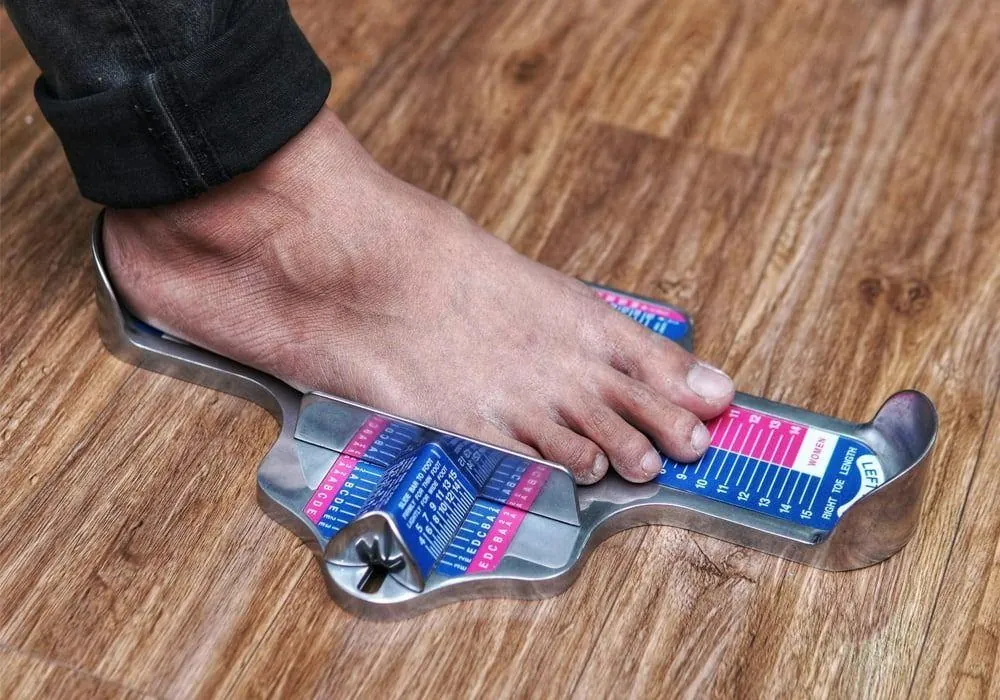
If, after trying them on, only one or two spots feel less than comfortable — rather than the whole shoe squeezing your foot — then break-in is your job. A pair that is painfully tight from day one will only hurt more as you wear it in, and the shape suffers too. Buying online? See our guide on choosing the right shoe size online.
Three safe, no-heat ways to break in new boots
1. Wear the boots around the house
This is the least demanding and safest way to break boots in. Simply wear them while doing everyday things at home: fetching things, cooking, tidying up, sitting at a desk. Over those hours, the upper stretches slowly around your foot without you applying anything to the shoe.
A small tip: keep the tags on while you test the boots at home. If the pair is not really the right fit, you still have a brand-new, tagged pair to exchange at the store.
2. Loosen the laces, wear thin socks, adjust the insole
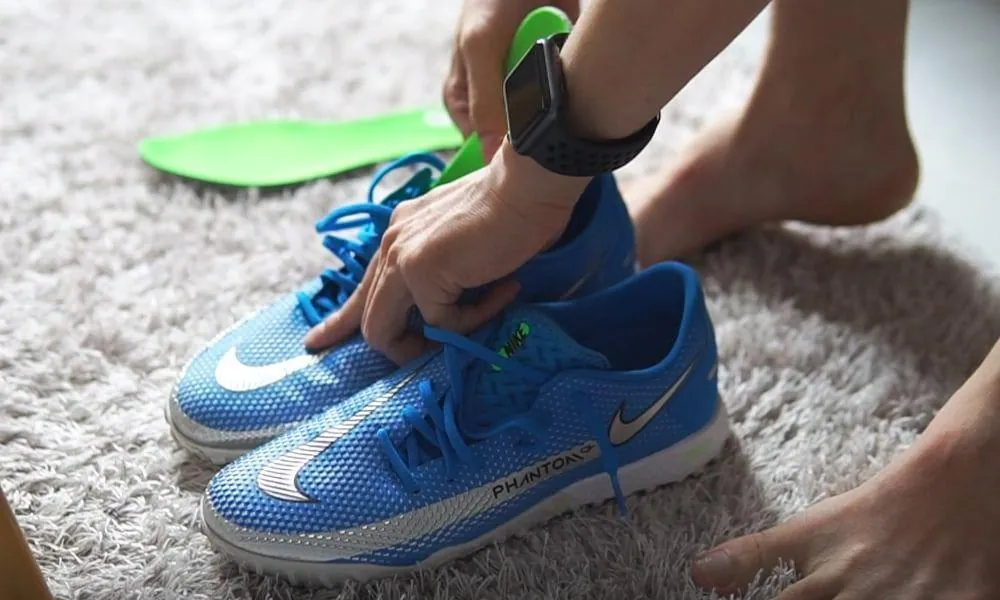
Modern football boots hug the foot tightly and often feel firm on the first wears. Loosen the laces and wear a thin, smooth pair of socks to make putting the boots on easier and to reduce pressure across the top of the foot.
If your foot is slightly wide while the toe box already fits, temporarily removing the insole — or swapping in a thinner one — noticeably relieves the sideways squeeze without touching the shoe itself.
3. Go easy in the first sessions, always bring your old boots
The first sessions should stay light: a short kickabout on the pitch, or a normal match shortened to 15–20 minutes before switching back to your familiar pair. Stiff boots cause heel blisters and sore arches if you push too hard too early.
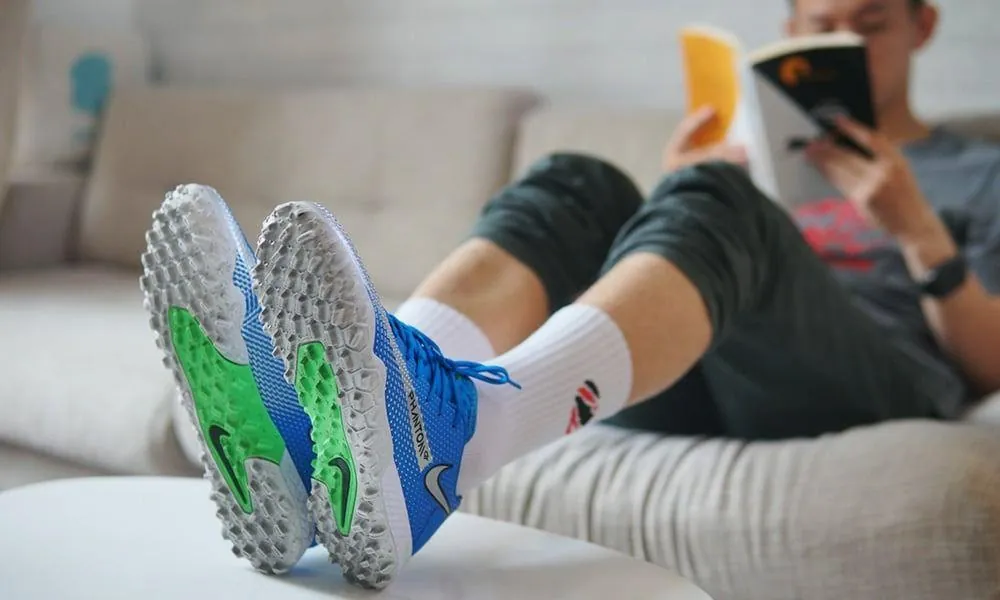
Bringing your old boots as a backup so you can swap mid-session is a habit worth keeping. You keep playing, while the new pair gets a few more sessions to soften up.
Break-in tricks you should avoid
In football boot communities, one folk trick keeps coming up: hold the boots over boiling steam to soften the upper, then wear them so they stretch to your foot. EXTRIM does not recommend this. Heat softens synthetic leather fast, but it can also slacken the shape, warp edges and weaken the glue that bonds the sole — most football boots are glued, not stitched, so once the glue fails the whole sole is at risk.
The same goes for using a hair dryer, soaking boots in hot water, or forcing a hard object into the toe to stretch it. Every "quick" method trades the boot's shape for speed. Breaking in slowly over a few weeks is always better than a pair deformed after a single afternoon.
When should you send your boots to EXTRIM?
Stop treating it yourself and let a cobbler help when:
- Your feet still hurt after weeks of proper break-in — the problem is often the shape of the shoe, not your feet. A repair shop can gently stretch the tight spot, replace the insole or treat the friction points through our shoe repair service; final pricing is confirmed after we inspect the pair.
- The sole edge or a bonded seam comes apart on a new pair — regluing a sole edge that has separated less than one-third costs 250,000 VND (2026 reference rate).
- The boots now fit well and you want them to last — protect them early, for example with sole stitching and reinforcement for football boots or by picking the right stud type for your pitch surface.
A pair chosen in the right size and broken in patiently will last many seasons. A pair force-shaped with heat usually has a shorter life than you would expect — see how long shoes last with good care.
👉 Send photos of your new boots for advice
Public cases
Photos in this article illustrate the process — they are not a before–after record with a public case code. EXTRIM does not use illustrative images to promise results for every pair.
Need Professional Attention for Your Item?
EXTRIM provides two-way doorstep courier pickup across Ho Chi Minh City, with up to 80,000 VND off qualifying orders. Service options, final pricing, timing, and any applicable repair warranty are confirmed for each item.