Football Boot Studs TF, FG, IC: Pick the Right One for the Pitch
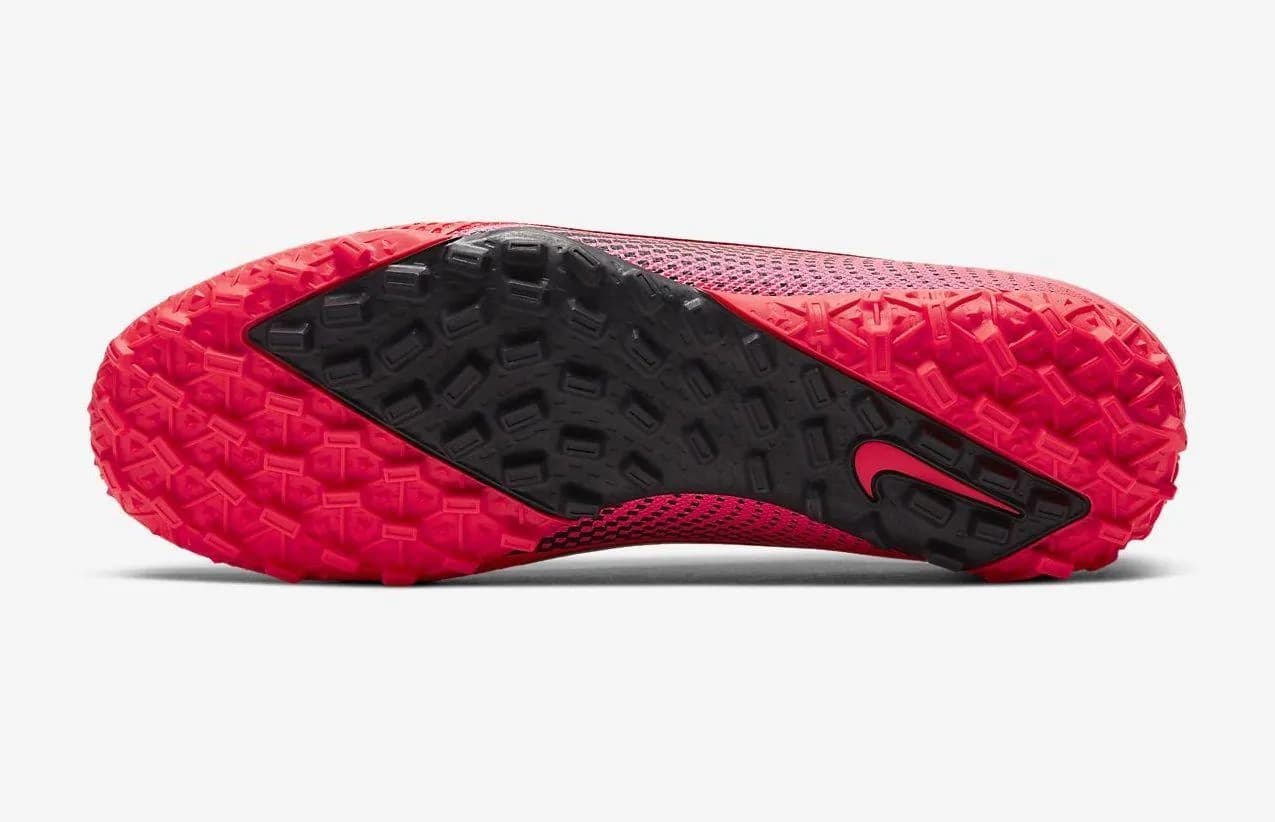
Football boots differ from each other first through the soleplate and the studs. Each stud type is built for one surface, and using the wrong one does more than make you slip — studs snap and soles wear out several times faster. This guide explains the three most common stud types — TF, FG, IC — plus the part few articles cover: the usual mix-ups and how to care for the sole.
What boot studs are and why they matter
Studs are the raised or attached parts under the sole that create grip on soft or slippery ground. They come in different shapes (cones, blades) and materials (rubber, synthetic plastic). Three main functions:
- Grip: artificial turf is slick; flat-soled shoes slip when you sprint or cut direction sharply.
- Load spreading: studs distribute pressure across the foot, reducing soreness over a 60–90 minute match.
- Injury reduction: a well-gripped sole lowers slips, one of the most common causes of football injuries.
TF (Turf) — short-pile artificial grass
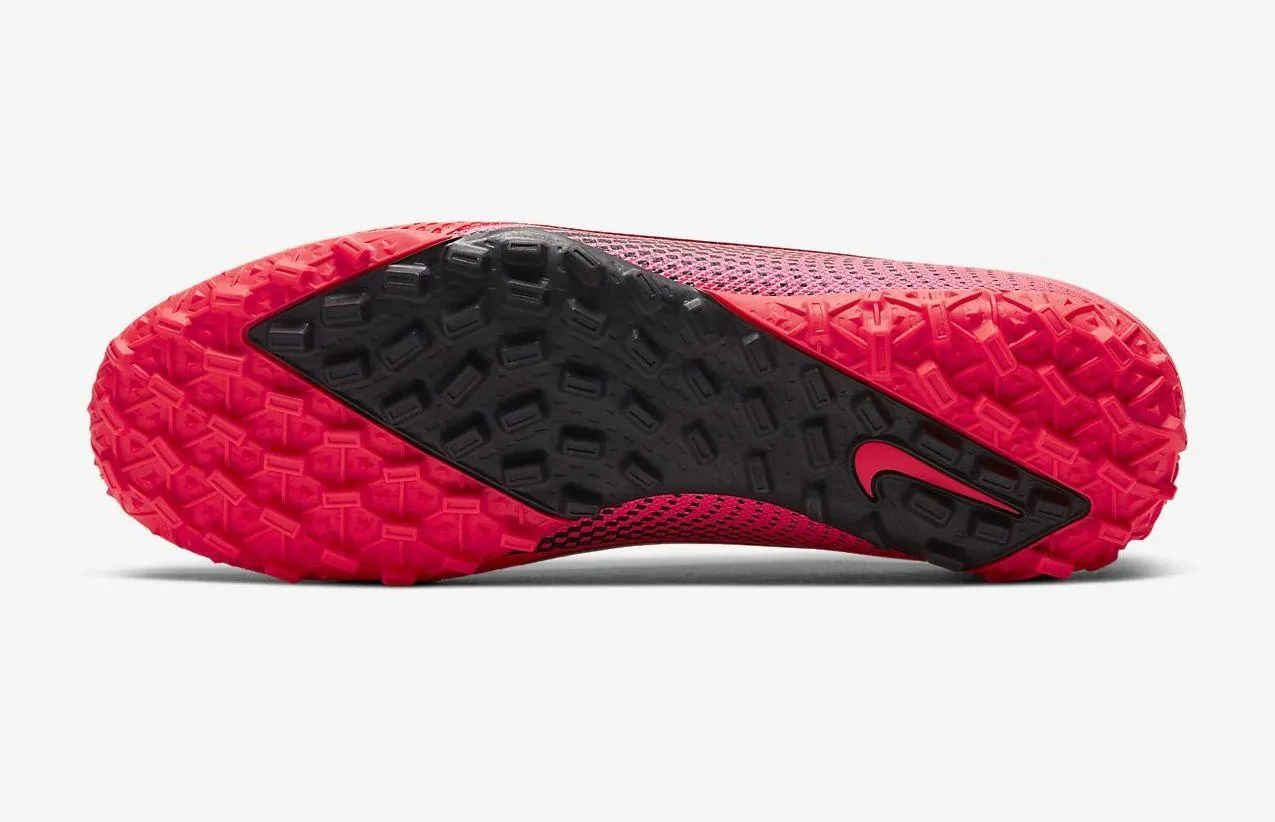
TF stands for Turf. A TF soleplate carries many small, low rubber studs spread across the whole outsole. It is the most common type in Vietnam, where most pitches are short-pile artificial turf with a hard, dense base. The low studs spread the load over a hard surface instead of digging in — exactly what this surface needs.
IC (Indoor Court) — indoor courts and flat ground
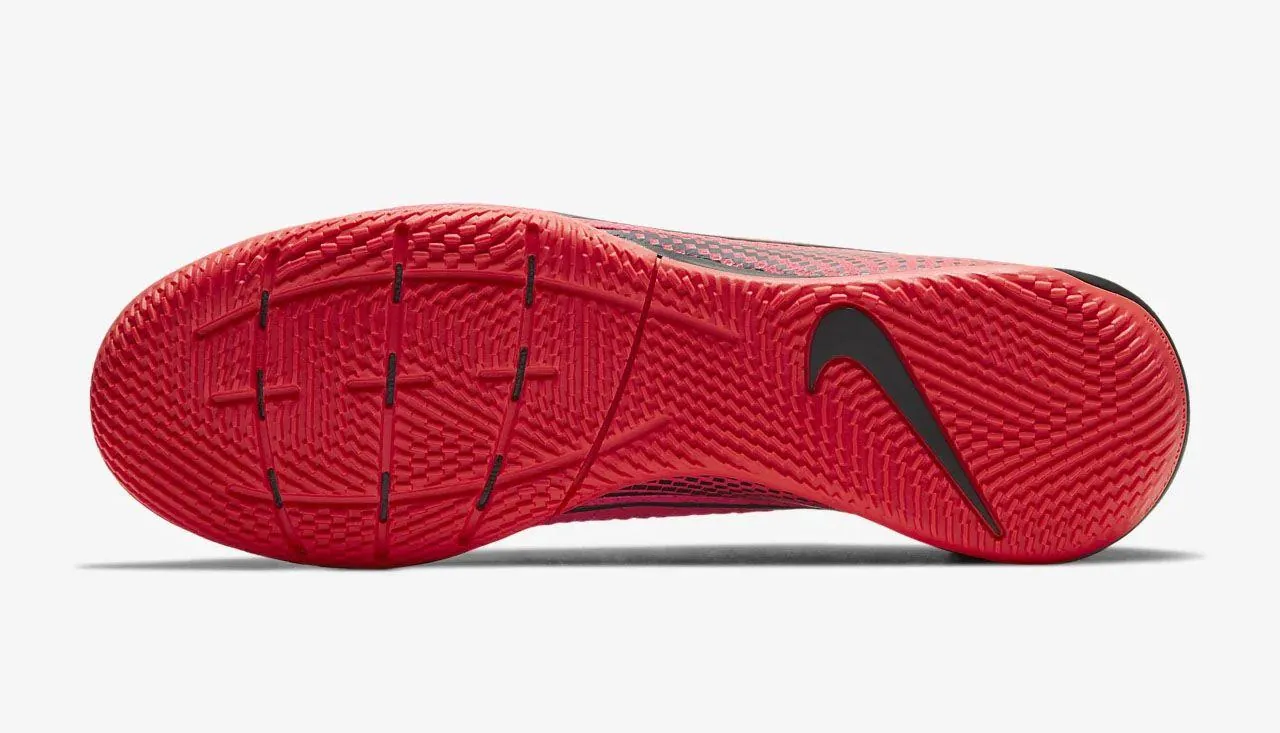
IC stands for Indoor Court. An IC soleplate is flat, without studs, using fine grooves across the surface for grip, plus a cushioned midsole. Use it for futsal, indoor courts and concrete. Thanks to the flat sole and sporty look, many players also wear IC boots as daily shoes.
FG (Firm Ground) — natural grass
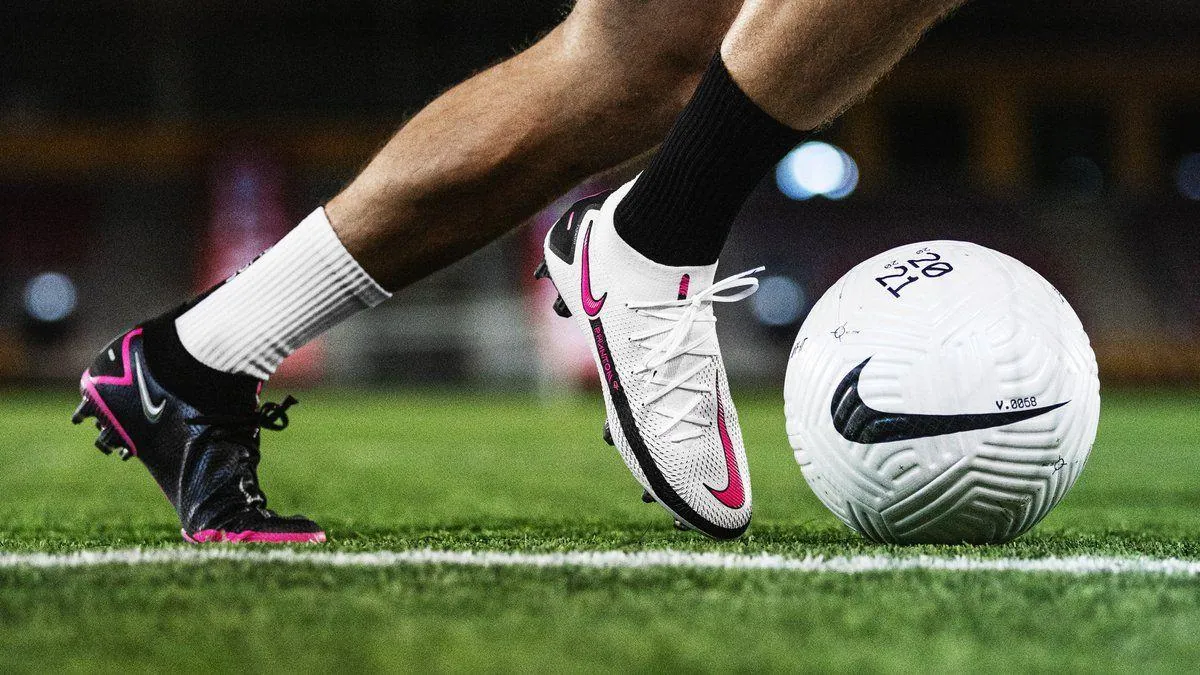
FG stands for Firm Ground. FG studs are longer, usually 10–13 of them, made of light synthetic material and placed around the toe and heel zones. This type is built for natural grass or well-maintained hybrid pitches, where a soft, damp layer lets the studs bite in. Note: some articles mislabel FG studs as "TF" or describe FG as made for artificial turf — a common mistake that leads to buying the wrong boot.
What happens when you mix up TF and FG?
This is the most frequent buying mistake, and it costs both the player and the boot:
- FG studs on short-pile artificial turf: the long studs cannot sink into the hard base, so the load concentrates on a few stud tips. Studs chip and snap early; knees and ankles take bigger impacts; the toe area cracks and the glue line opens far sooner than on the right surface.
- TF studs on natural grass: the low studs cannot bite deep enough, so you slip on strong shots and quick turns.
- Simple rule: look at the pitch you play on most often. Short-pile artificial turf in Vietnam — TF; futsal or indoor courts — IC; natural grass with a thick layer — FG.
Caring for the soleplate
- After every match: knock off dry mud and sand, wipe the sole with a damp cloth, and let it air dry in shade. No sunbathing, no hairdryer — heat opens the sole glue before you notice.
- No washing machine. The spin deforms the soleplate and opens the glue.
- Check the sole edge weekly. A small lifting spot caught early needs a quick reglue; left alone, water and grit get in and damage the whole sole zone.
- Evenly worn studs are normal, but a snapped stud or a peeling sole section means it is time for a repair check.
When should you send your boots to EXTRIM?
An unglued sole edge, a peeling toe section or snapped attached studs are repairable — the boots do not have to go in the bin. EXTRIM's shoe repair service covers small reglue jobs (100,000 VND), edge reinforcement for lifting under one third of the sole (250,000 VND) and full sole reglue with reinforcement stitching (450,000 VND) — 2026 reference prices, confirmed after inspection. How stitched soles work is explained in football boot sole stitching and reglue and types of shoe soles to know before buying.
👉 Send photos of your boot sole for advice
Public case studies
Photos in this article illustrate the process — they are not a before–after record with a public case code. EXTRIM does not use illustrative images to promise results for every pair.
Need Professional Attention for Your Item?
EXTRIM provides two-way doorstep courier pickup across Ho Chi Minh City, with up to 80,000 VND off qualifying orders. Service options, final pricing, timing, and any applicable repair warranty are confirmed for each item.