What Is a Shoe Outsole? Materials, Grip and When to Resole
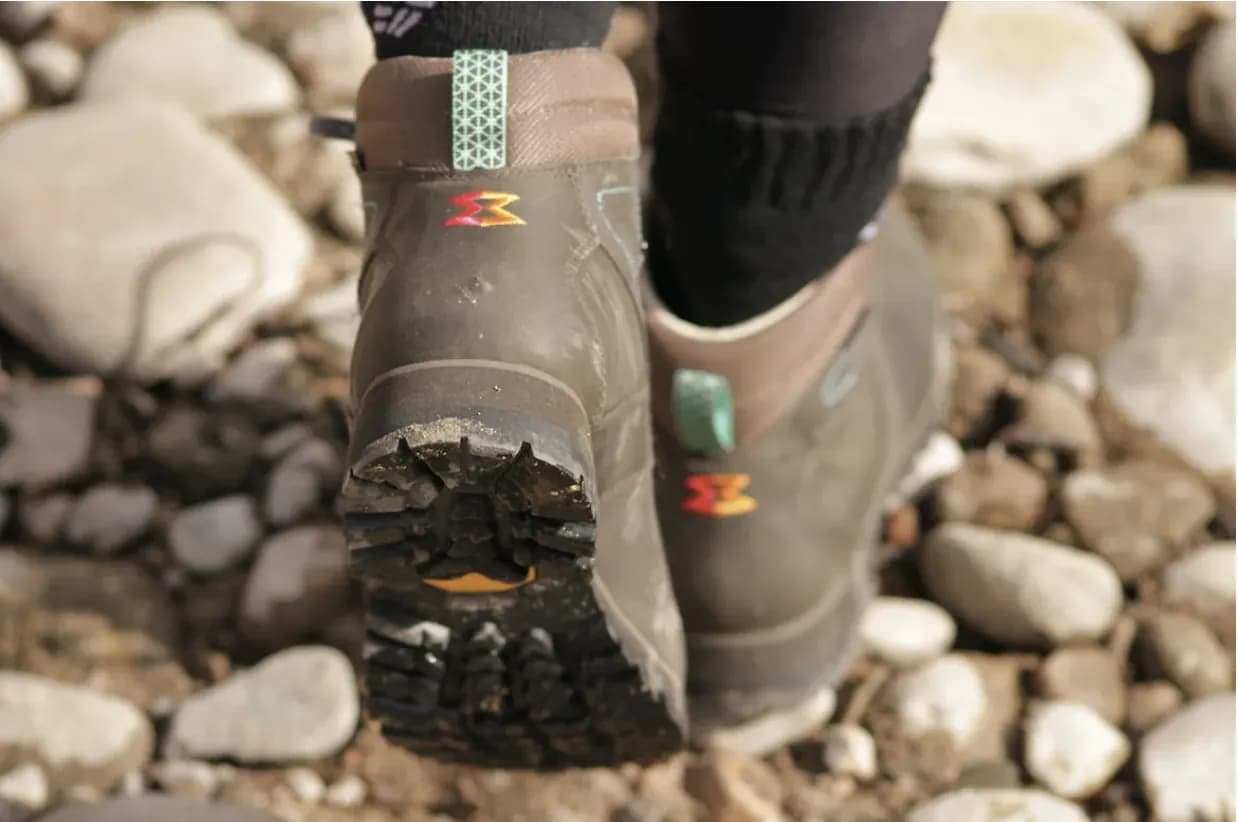
Before flipping a shoe over to look at its sole, few people realize that the layer touching the ground — the outsole — decides how well the shoe grips, how long it lasts, and how it should be cared for. This article explains what an outsole is, which materials it is made from, and when a worn outsole should be resoled rather than throwing the pair away.
What is an outsole?
The outsole is the outermost part of a shoe, in direct contact with the ground. It has two jobs: create traction on the surfaces you move across, and protect your foot from the ground underneath.
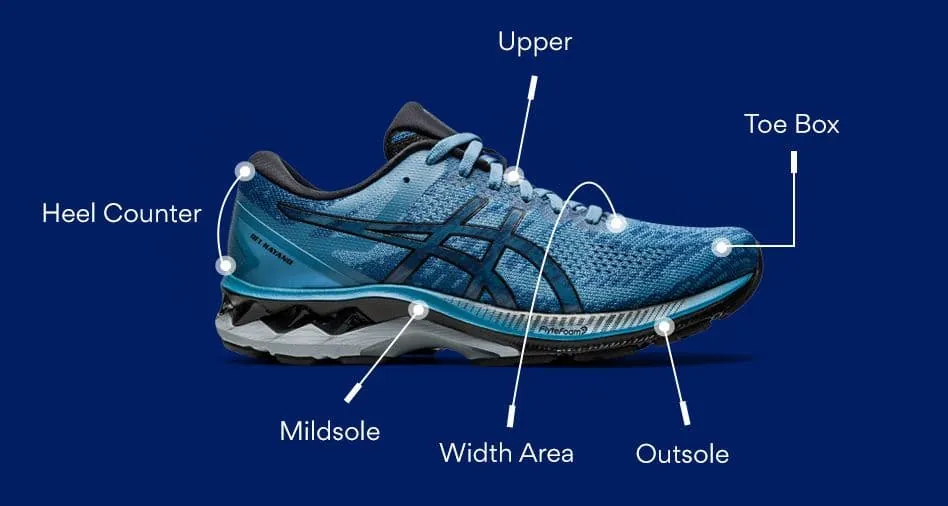
Within the whole shoe, the upper on top holds the shape and hugs the foot, the midsole in the middle handles cushioning, and the outsole is the landing layer underneath. The three layers have clear divisions of work — which is why a worn outsole can be replaced or re-covered without giving up on the pair.
What are outsoles made of?
Manufacturers choose sole materials based on what the shoe is built for. The most common options:
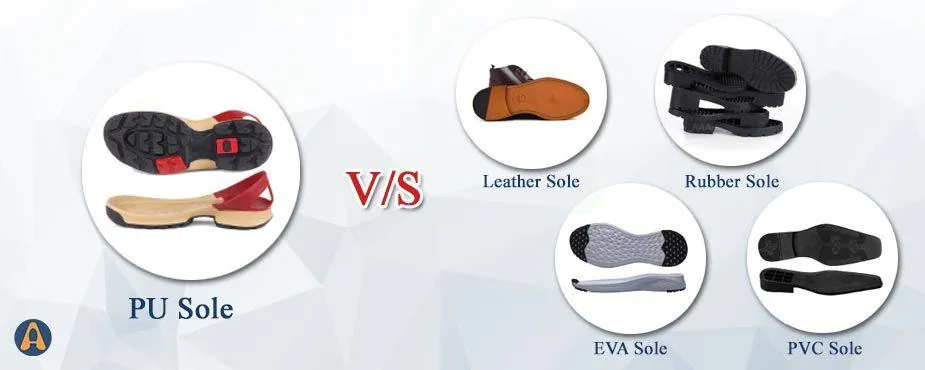
- Rubber — the most common choice: good grip, resistant to abrasion. Many sports lines add harder compounds for durability, or use softer rubber for indoor courts that demand maximum traction.
- Polyurethane (PU) — firm, light and durable, common on wedge soles and boots; its weakness is that over the years it absorbs moisture from the air and gradually crumbles from the inside.
- PVC — inexpensive and stiff, found mostly on budget everyday shoes; durable but heavier and less flexible than rubber.
- Leather — the classic sole of dress shoes and boots; soft, breathable, molds to the foot over time, but wears quickly and slips when wet.
Outsole design works like tire design: different grooves and lugs create different friction on different surfaces. A dancer prefers a smooth leather sole to turn easily; a hiker needs a thick, deeply grooved sole to hold the trail. Modern dress shoes sometimes combine both — a leather front for a sleek look, with a rubber heel block for durability and grip.
Tread and grip: designed for the surface
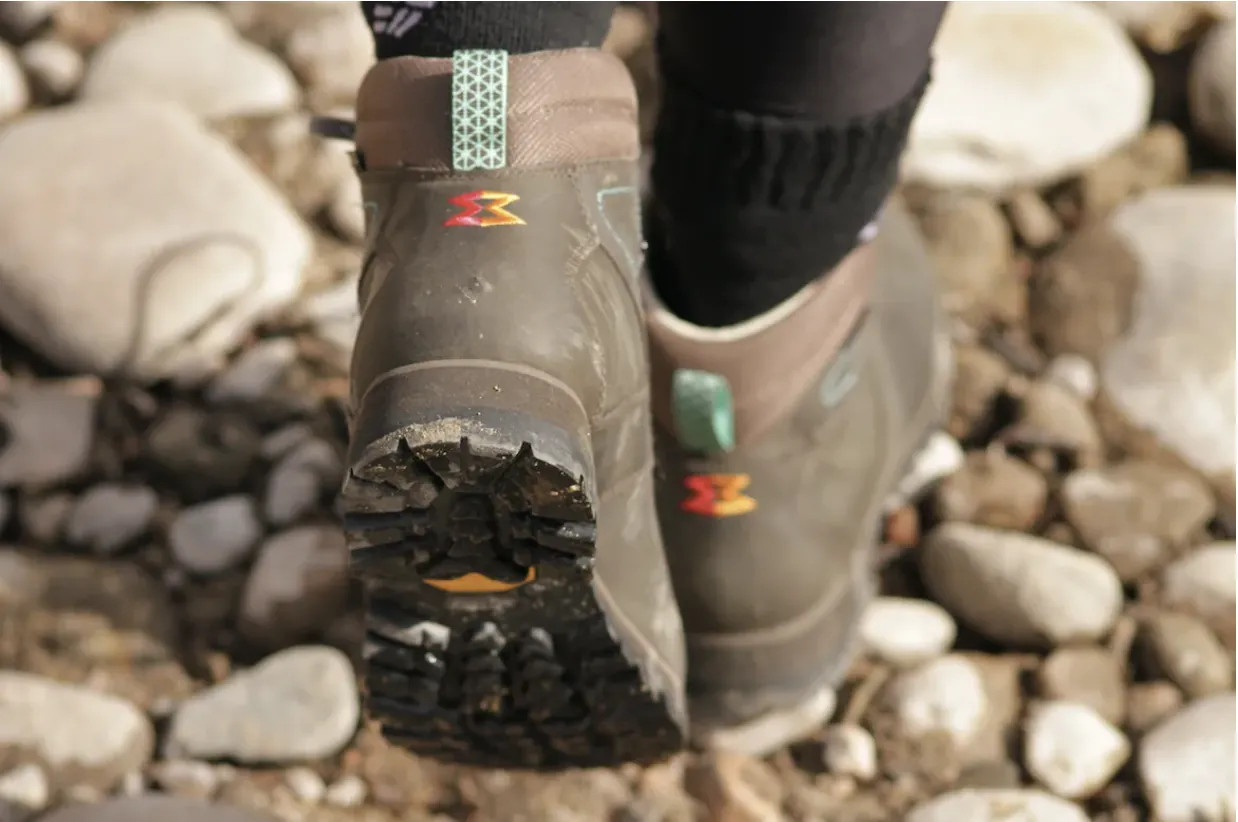
Even in rubber, the tread pattern decides which surface the shoe grips:
- Flat, minimal tread — dress shoes and dance shoes: sleek and tidy, but slippery when wet.
- Fine, dense patterns — sneakers and indoor-court shoes: strong hold on wooden floors and hard courts.
- Deep, aggressive lugs — trail shoes and hiking boots: bite into soil, rocks and mud, but collect mud on flat pavement.
On rainy days, a smooth leather sole slips far more than soft rubber. Choosing tread for the surface you actually walk on every day matters more than choosing it for looks.
Four factors that make a good outsole
- Grip — matched to the surfaces you really use, from wooden floors and hard courts to wet dirt paths.
- Durability — pavement, dust, rocks and gravel all wear a sole down over time; rubber and polyurethane last far longer than natural materials like leather.
- Comfort and weight — thick, firm soles feel sturdy but heavy; thin, soft soles feel flexible. Match them to how much you walk daily.
- Looks — subjective, based on taste and occasion; chunky lugs read as outdoorsy, a clean flat sole reads as formal.
What happens when the outsole wears down?
Even a well-made outsole wears out — usually starting at the heel and the zones shaped by your gait. The common signs: lugs worn flat, grooves gone, the shoe starting to slip when you walk fast; PU soles turning spongy and crumbling even with little use; leather soles worn through to the base, with the heel leaning to one side.
A worn outsole does not mean the end of the shoe. When the outer layer wears, you replace the outer layer: add a rubber half-sole or Vibram protector that takes the friction instead of the original sole, or replace heel tips when the heel wears unevenly. If the sole wears unevenly on one side, read about uneven sole wear and its causes before repairing.
For a detailed comparison of individual sole types on dress shoes and boots, see 8 types of shoe soles and how to protect them.
When should you send your shoes to EXTRIM?
Send them to a cobbler instead of treating them yourself when:
- The lugs are worn flat or a leather sole is worn through — Vibram sole protection costs 599,000 VND, Sole 3M 599,000 VND, Sole Gel 799,000 VND, 7–14 days (2026 reference rates) through our sole protection service.
- The sole is badly damaged, crumbling or the glue has failed — a standard full resole starts from 550,000 VND with a 2-month glue warranty; final pricing is confirmed after we inspect the pair.
- The heel of a dress shoe or high heel is worn at an angle — heel tip replacement is 250,000 VND.
- The sole is still new and you want the original lugs to last — see the process in our Vibram/Topy sole protector guide.
👉 Send photos of your shoe soles for resoling or protection advice
Public cases
Photos in this article illustrate the process — they are not a before–after record with a public case code. EXTRIM does not use illustrative images to promise results for every pair.
Need Professional Attention for Your Item?
EXTRIM provides two-way doorstep courier pickup across Ho Chi Minh City, with up to 80,000 VND off qualifying orders. Service options, final pricing, timing, and any applicable repair warranty are confirmed for each item.