How to Soften Stiff Leather Shoes — Condition Right, Skip the Heat
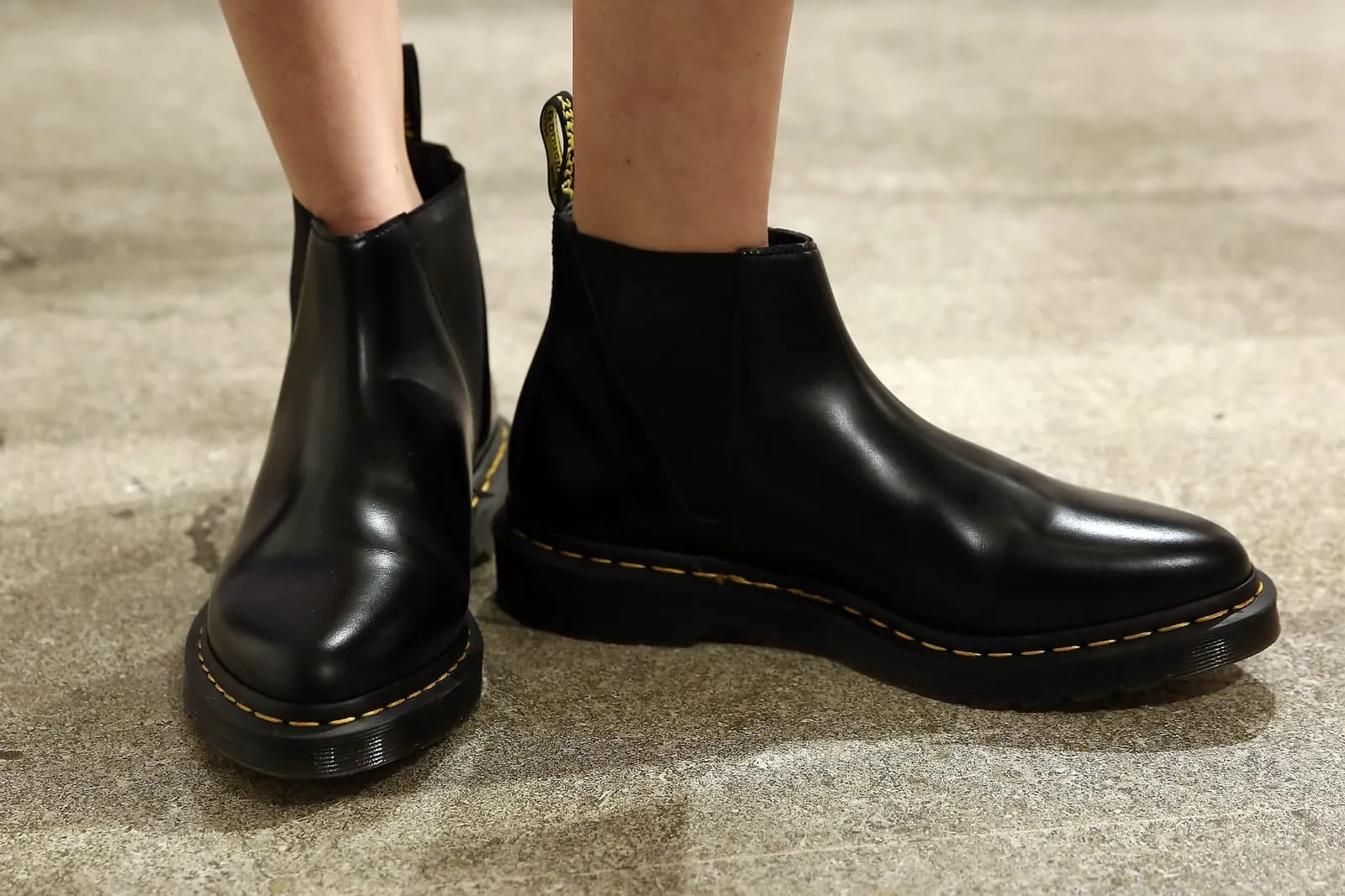
New leather shoes are often stiff and rub the heel or toes until the leather molds to your foot. That break-in period can be shortened with conditioning and gradual wear — or it can ruin the shoes if you force the leather soft with heat or alcohol. Here is the safe at-home routine.
Why leather shoes get stiff
- New leather: the leather is still dry and its natural suppleness has not been woken up yet.
- Wet-then-fast-dry leather: water leaves carrying the leather's oils, and the leather contracts stiff.
- Dry or hot storage, or shoes left unworn: natural conditioning evaporates over time.
Knowing the cause helps you pick the right fix — new shoes just need gradual wear, while storage-dried leather needs reconditioning first.
Step 1: Clean the surface
Wipe the whole upper with a barely damp cloth to remove dust. Dust left under the conditioner scratches the leather's finish. Let the shoes dry fully before the next step.
Step 2: Condition with a dedicated product
This is the step that decides how soft the leather gets. Use a dedicated leather conditioner:
- Test on a hidden spot first and wait a few hours to check for darkening or blotches.
- Apply a thin layer in circular motions with a soft cloth, covering the whole upper.
- Let it absorb for a few hours or overnight, then buff off any residue.
Skip household oils (olive oil, coconut oil, petroleum jelly): they absorb slowly, leave dark uneven marks and seal the surface — oil stains on smooth leather are very hard to fix later.
Step 3: Insert shoe trees while the conditioner works
While the leather absorbs the conditioner, insert wooden shoe trees. They stretch the surface slightly toward the shoe's shape, helping the conditioner spread evenly and holding the toe box form. Don't have a pair yet? Read what shoe trees are and the types you need before buying.
Step 4: Wear gradually so the leather molds to your foot
Conditioning makes the leather pliable again, but only wearing it teaches the leather your foot's shape:
- Day one: wear them around the house for 1–2 hours with thick socks to reduce rubbing.
- Over the next days, build up to half a day, then full days.
- Pre-apply anti-blister patches where the shoe rubs your heel or toes.
Patience is part of the routine: heavily stiff leather or shoes with many seams can take a few weeks. Forcing it with harsh shortcuts only trades sore feet for damaged shoes.
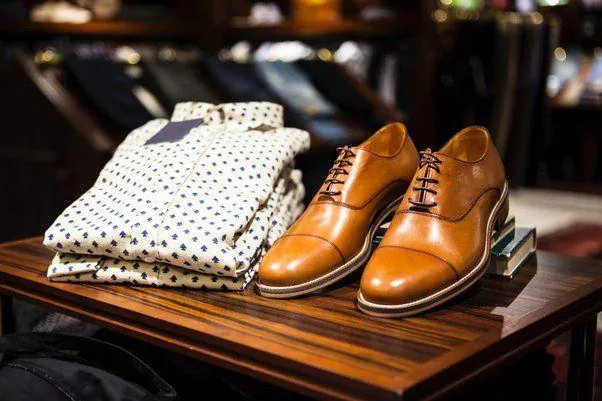
What you must never do
- Apply heat: hair dryers, stovetops, harsh direct sun — heat blisters the leather, cracks it and loosens the sole glue. This is the most damaging "quick soften" trick.
- Rub alcohol or alcohol-based products on the leather: alcohol strips moisture, leaving the leather stiffer than before and prone to cracking.
- Force-stretch with ice or hard objects: uneven stretching warps the shape and breaks the glue line.
- Over-condition: layering thick conditioner daily suffocates the surface, which turns sticky and collects dust.
When should you send the shoes to EXTRIM?
Stop at home treatment when: the leather is stiff with cracks or peeling, it hardened after seawater or dirty-water soaking, or the shoes are premium leathers with delicate finishes. EXTRIM's shoe cleaning and spa service deep-cleans and reconditions by exact material (dress/office shoes 150,000–200,000 VND per pair, reference rates 2026); heavily damaged leather is quoted after inspection.
👉 Send photos of your shoes for a condition assessment
Further reading: caring for leather shoes with polish and cleaning leather boots at home.
Public Cases
Photos in this article illustrate the process — they are not a before–after record with a public case code. EXTRIM does not use illustrative images to promise results for every pair.
Need Professional Attention for Your Item?
EXTRIM provides two-way doorstep courier pickup across Ho Chi Minh City, with up to 80,000 VND off qualifying orders. Service options, final pricing, timing, and any applicable repair warranty are confirmed for each item.