How to Clean Shoe Insoles So They Stay Fresh
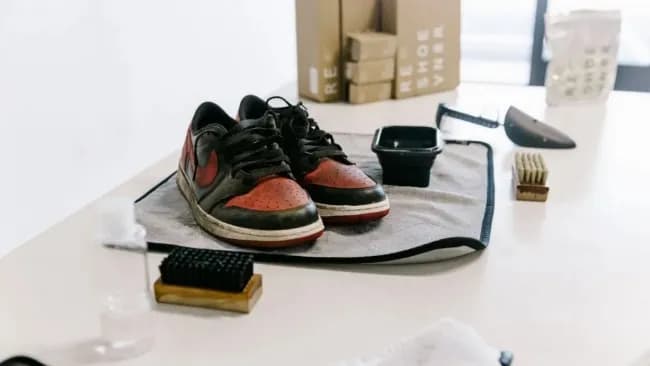
You probably wipe the uppers often, but skip the part that touches your feet the most: the insole. Sweat glands are most active in the feet, so the insole is where dirt and bacteria accumulate first — and it is the most common source of shoe odor.
When do insoles need cleaning?
Easy signs: odor comes back quickly even after deodorizing, the surface has changed color, it feels damp and tacky, or dried sweat leaves white marks. As a routine, clean the insoles of shoes you wear regularly every 2–4 weeks — it fits neatly into a step-by-step shoe cleaning schedule.
Washing removable insoles
- Pull the insoles and laces out of the shoes.
- Mix warm water with a few drops of mild dish soap. Skip concentrated body soap and never use bleach.
- Scrub the top and bottom with a soft-bristle brush in circular motions. Do not press hard — the foam inside tears easily.
- Rinse with clean water and press gently with a towel to draw the water out. Never twist the insole.
- Air-dry away from direct sun. Wait until fully dry overnight before putting them back in the shoes.
To be clear about limits: washing removes dirt but does not kill every bacterium. Once dry, follow with a deodorizing step.
Glued-in insoles: never soak them
Many sneakers have insoles glued in place and they cannot be removed. Do not soak the whole pair — a damp insole trapped inside loosens the glue and makes odor worse. Safe options:
- Sprinkle a thin layer of baking soda inside the shoe, leave it overnight and shake it out before wearing. Details in our baking soda odor removal guide.
- Or use a dedicated shoe deodorizer spray after each wear.
Leather insoles: keep them dry
Leather warps when soaked, so never wash leather insoles with water.
- Dampen a cloth with a leather cleaner, dab and wipe the surface gently.
- Wipe again with a clean damp cloth to remove all the product, then let it dry naturally away from heat.
- Once dry, apply a thin layer of leather conditioner to keep it supple.
Keeping insoles clean for longer
- Wear sweat-absorbing socks and change them every day — socks are the first barrier.
- Rotate at least two pairs of shoes, giving each pair 24 hours to dry out.
- Deodorize on a schedule with baking soda or a dedicated spray instead of waiting for the smell.
- Replace the insole once it wears flat, sags or keeps the odor — far cheaper than replacing the shoes.
Heavier odor usually comes from the shoe body staying damp; the full handling is in our guide to washing smelly shoes.
When to send your shoes to EXTRIM
Stop DIY when: the smell returns immediately even after washing the insoles and deodorizing, the insole is crumbling or its surface is breaking down, or you suspect mold after the shoes stayed damp.
Our shoe cleaning and spa service treats each material correctly and handles the inner lining — 2026 reference price: deep cleaning from 150,000 VND per pair; the final quote is confirmed after inspection.
👉 Send photos of your smelly pair for a care assessment
Public case gallery
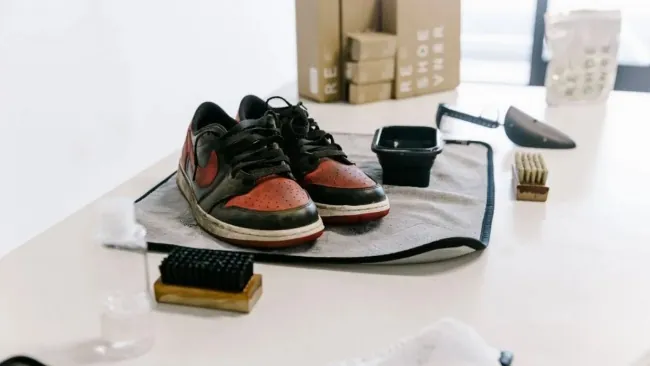
Photos in this article illustrate the process — they are not a before–after record with a public case code. EXTRIM does not use illustrative images to promise results for every pair.
Need Professional Attention for Your Item?
EXTRIM provides two-way doorstep courier pickup across Ho Chi Minh City, with up to 80,000 VND off qualifying orders. Service options, final pricing, timing, and any applicable repair warranty are confirmed for each item.