Shoe Care Tips for Every Material: Leather, Suede, Patent and More
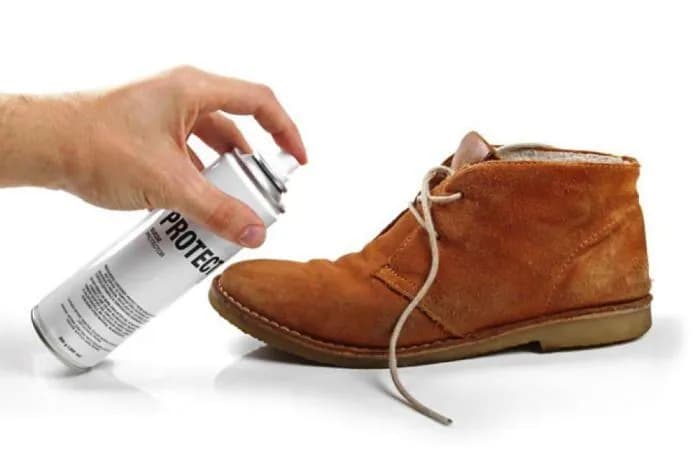
Every shoe material has its own weak point: smooth leather dries out, suede hates water, synthetic leather holds odor when it never dries fully. Caring for each material the right way makes shoes last several times longer than a one-size-fits-all approach. Here is a short routine for the most common material groups.
Smooth leather
Before applying any product, wipe the whole shoe with a damp cloth — conditioning over dust only drives the dust deeper into the grain. For localized stains, dab gently with a cloth dipped in diluted white vinegar, let it dry, then wipe again with a damp cloth.
Condition and polish at least once a month: a leather lotion first (a deep-conditioning formula is best), then cream or wax polish in the right color. Keeping this rhythm prevents cracking and preserves color — more detail in our regular dress shoe care guide.
Patent leather
Patent leather has a plastic coating on top, which makes it easy to care for: a damp cloth removes most dust and fingerprints. Once dry, apply a light protective spray to keep the shine. For shallow scuffs, dab a little mineral oil on the mark and wipe around the area — this softens light scuffs; deep scratches are better left to a professional.
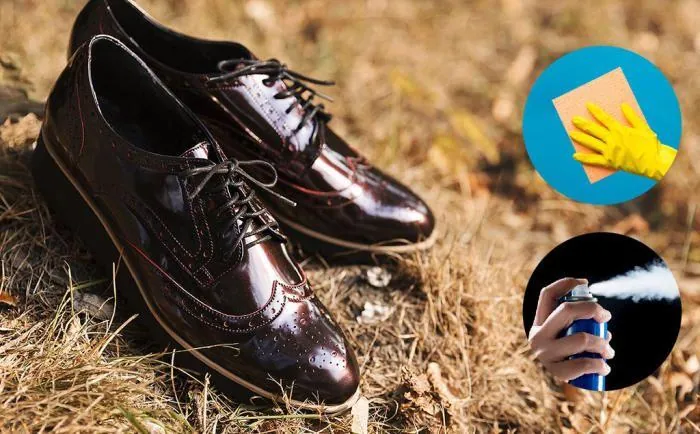
Suede and nubuck
These two sister materials need their own kit: a suede brush, a dedicated eraser, and a waterproofing spray applied on schedule. Do not take suede out in the rain without a protective layer. When dirty, rub the eraser directly on the mark and then brush in one direction — brushing in multiple directions scatters the nap and makes the shoe look dirtier. Rain-soaked suede gets stuffed with white paper and air dried in a ventilated spot, never with heat. The full routine is in our 6-step suede cleaning guide.
Synthetic leather
Synthetic leather is soft and looks like the real thing, but it breathes poorly — so its biggest problem is odor when it never dries fully. Wipe stains with a damp, soapy cloth, wipe again with a clean damp cloth, then let the shoes dry fully in the open air before storing. Tucking a sachet or a dryer sheet into each shoe overnight helps keep odor from building up.
Sandals and slides
- EVA sandals and flip-flops: rinse after every beach trip; if they smell, wash with water and a little baking soda. Only solid one-piece plastic slides are worth a quick machine wash — never apply that to glued shoes.
- Birkenstocks: mix baking soda with water into a paste, scrub the footbed with a toothbrush in circles, rinse lightly with cold water and air dry — avoid harsh sun, which cracks the sole.
- Crocs: scrub with dish soap, water and a brush, rinse, and let them dry. Keep them away from hot car dashboards and radiators — heat shrinks Crocs.
When to hand them to EXTRIM
Heavy dirt, yellowing, fading or mold on leather, suede, or patent shoes is handled faster at a shop with the right tools for each material. EXTRIM's shoe cleaning and spa service cleans by material — deep cleaning 150,000 VND per pair, suede spa 200,000 VND, a three-pair combo at 399,000 VND (2026 reference). See also our shoe material types and cleaning methods guide and caring for 2026's new shoe materials.
Final pricing is confirmed after we see the actual condition.
👉 Send photos of your shoes for material-specific advice
Public case studies
Photos in this article illustrate the process — they are not a before–after record with a public case code. EXTRIM does not use illustrative images to promise results for every pair.
Need Professional Attention for Your Item?
EXTRIM provides two-way doorstep courier pickup across Ho Chi Minh City, with up to 80,000 VND off qualifying orders. Service options, final pricing, timing, and any applicable repair warranty are confirmed for each item.