How to Protect Your Shoe Soles Early — Small Habits, Longer Soles
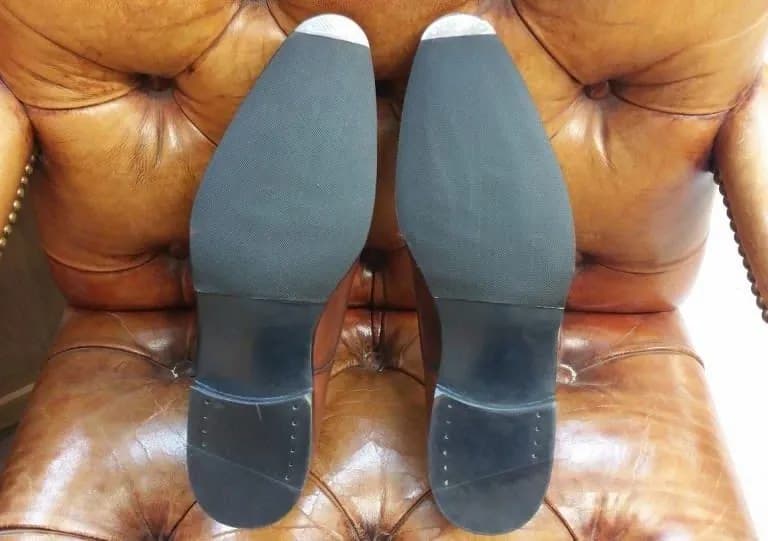
The outsole is the only part of the shoe that touches the ground, so it always wears out first. Most people notice the problem only when the tread is flat or the glue line has opened — by then, the repair costs far more than early protection would have. The good news: fast sole wear mostly comes from daily habits, and those are easy to fix at home.
What makes a sole wear out fast or slow?
Two factors decide: the sole material and how you use the shoe.
On materials, natural rubber lasts the longest; EVA is light but wears quickly because it is porous; leather soles on dress shoes wear very fast on hard pavement; PU/PVC soles break down from the inside as the years pass, even unworn. Each material has its own guide elsewhere — here, one takeaway matters: no sole lasts forever. The question is how to make it wear slowly and evenly.
As for usage, hard rough pavement, dragging your feet, sudden stops on the toe, and frequent rain all concentrate wear on a few spots instead of across the whole sole.
Habits that wear your soles out faster than you think
- Wearing one pair non-stop for weeks. The midsole and the glue need time to dry out fully after each wear, especially with sweaty feet. Rotating between 2–3 pairs is the cheapest way to extend the life of every pair.
- Storing shoes while still damp. Trapped moisture softens the glue and the sole peels early — the reason many pairs "open up at the edge" after two weeks of rainy-season wear. After shoes get wet, let them air dry fully in a ventilated spot for a day before storing.
- Leaving shoes in the sun or in hot places. Heat ages glue faster than wear does: a windowsill in direct sun or a car trunk in hot weather is a slow oven for the sole.
- Ignoring small glue gaps. A thin crack at the toe corner today becomes a fully peeled half-sole two weeks later if you keep wearing them in the rain.
A 5-minute monthly sole check
Flip the shoes over under good light and look at three spots:
- The sole edge and toe corners: any gap between the sole and the upper? Caught early, it needs a small one-spot reglue; left alone, the entire sole surface needs redoing.
- The sole surface: is the tread flat, or is the heel worn far to one side? Walking off-center for months wears the sole unevenly and affects your posture too — uneven sole wear has its own dedicated guide.
- The heel tips (heels and dress shoes): once the plastic tip wears down enough for the metal pin to show, replace it immediately — a week more of walking ruins the whole heel block.
Early detection is always cheaper: a small one-position repair versus a full sole refit is a big gap in both cost and turnaround time.
Two protection layers: new shoes and worn shoes
The right protection depends on the state your sole is in:
- New shoes, untouched sole: apply a thin protective film to the sole (the 3M-style sheet). The film only bonds well to a clean, unscuffed sole — so putting it on right after purchase is the golden moment. It is thin, keeps the original color and tread, and suits sneakers and colored soles.
- Worn or scuffed soles: the thin film no longer grips a used surface. At this point, bond a thicker rubber sheet onto the forefoot — the area that wears fastest — or replace the heel tips if only the heel is damaged.
One thing worth saying plainly: gluing a sole protector at home rarely goes right. The sole must be completely clean (any dust makes the sheet peel early), the placement must be accurate, pressed evenly, and kept for the full curing time. A misaligned or gapped edge shortens the protector's life and traps dirt in the glue — which makes a later re-glue even harder. Leave this one to a studio with proper tools and cutting templates.
Further reading: why choose Vibram sole protection and how to fix sole separation.
When to hand them to EXTRIM
Stop treating it at home and use our sole protection service when:
- The tread is worn flat, or the sole starts to slip on wet ground.
- There is a visible glue gap along the sole edge, around the toe, or the heel.
- A high heel is worn to one side with the metal pin showing.
- A new pair needs protection from day one to keep the original sole.
- The sole is yellowed and needs color restoration before protection.
2026 reference prices: 3M sole sheet 599,000 VND, Vibram sole protection 599,000 VND, heel tip replacement 250,000 VND. Final price is confirmed after we inspect the actual condition — if the glue gap has spread into the upper, the pair moves to shoe repair.
👉 Send photos of your soles for a condition assessment
Public case studies
Photos in this article illustrate the process — they are not a before–after record with a public case code. EXTRIM does not use illustrative images to promise results for every pair.
Need Professional Attention for Your Item?
EXTRIM provides two-way doorstep courier pickup across Ho Chi Minh City, with up to 80,000 VND off qualifying orders. Service options, final pricing, timing, and any applicable repair warranty are confirmed for each item.