How to Care for Shoes by Material: A 7-Step Routine
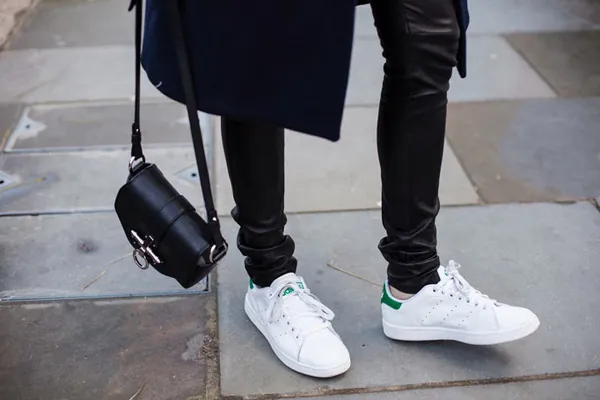
How long your shoes last depends largely on whether you care for them according to their material. A cleaner that works on canvas can ruin leather, and the stiff brush meant for rubber soles will scratch suede. This guide helps you identify the material and apply the right basic routine.
Identify the material before cleaning
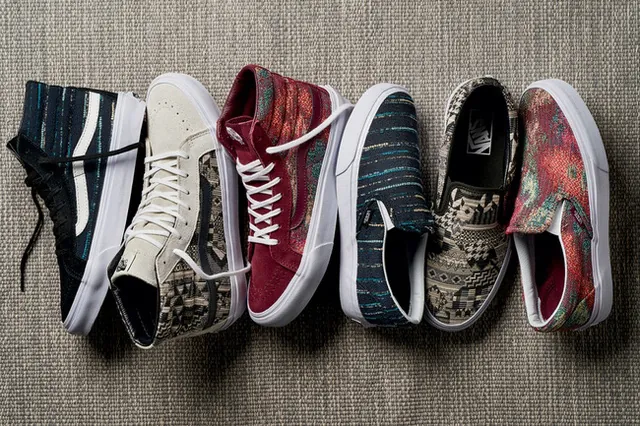
- Canvas: light and breathable, common on casual sneakers. Handles water but absorbs dirt deep into the weave.
- Full-grain leather: holds its shape and ages gracefully. Hates heat, harsh chemicals and soaking.
- Mesh: breathable, common on running shoes. Bleeds color if scrubbed with harsh cleaners.
- Rubber: mostly soles and sandals. Water-friendly but deforms and lets glue fail when exposed to high heat.
- Suede / nubuck: the velvety, premium-looking finishes. Stains easily and must never be wiped with water.
The 7-step home care routine
1. Remove laces and insoles; wash them separately. Soak the laces in warm water with neutral soap, hand wash and air dry.
2. Remove dry dirt first. Turn the shoes upside down and tap out grit, then brush the whole shoe — soft brush for the upper, stiffer brush for the sole.
3. Clean zone by zone with a dedicated cleaner. Dip the brush in the solution and scrub foam into the surface instead of soaking the whole shoe. Soaking weakens the glue over time and leads to sole separation.
4. Wipe off soap with a damp cloth — residue left behind dries into blotchy stains.
5. Air dry in a ventilated spot. Stuff with paper to absorb moisture and hold the shape. No direct sunlight, no hair dryer — heat opens glue lines and creases leather.
6. Store correctly between wears. Only store fully dry shoes, in a dry ventilated place, in a bag or box that still lets air through. Damp shoes sealed in a closed closet are the number-one cause of mold.
7. Wear socks and use a protectant spray. Socks absorb sweat, keeping the lining cleaner and less smelly; a waterproofing layer keeps dirt from sinking into the weave or the leather.
The minimal kit you actually need
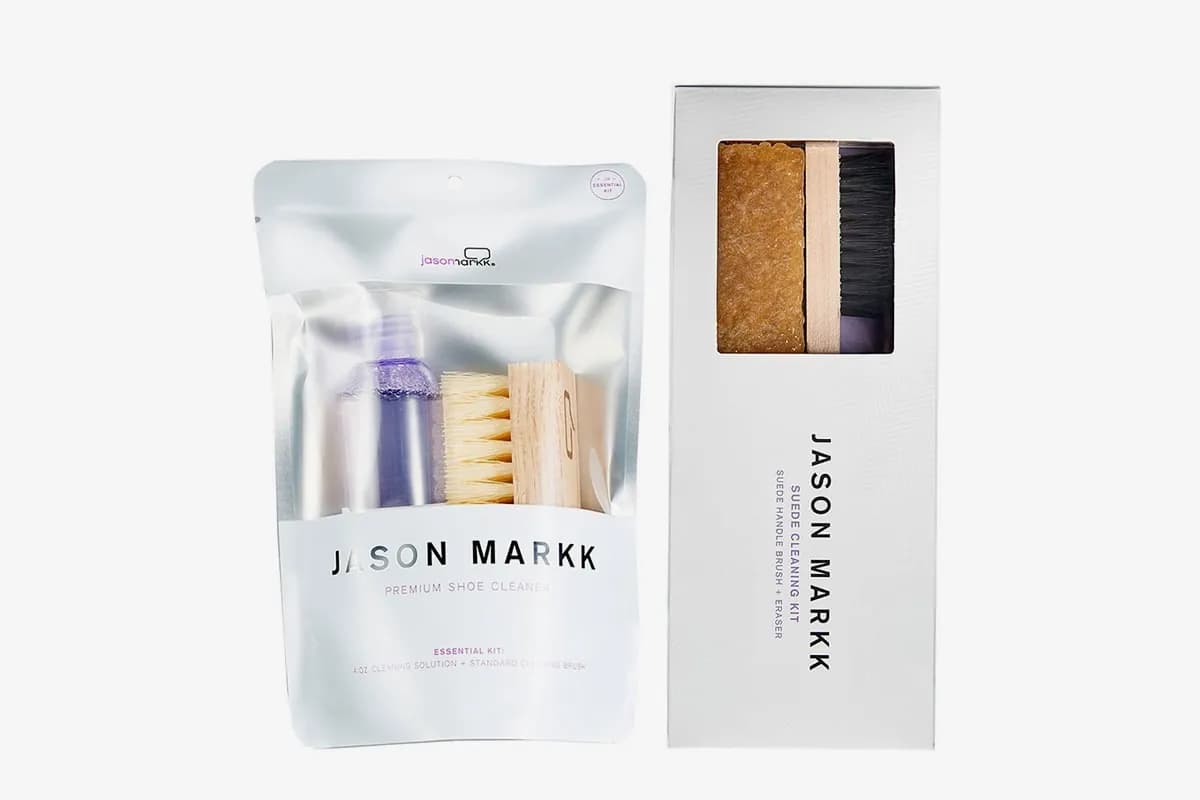
You do not need an expensive oversized kit. For most everyday shoes: a soft-bristle brush, a stiffer brush for soles, a neutral shoe-cleaning solution, thin microfiber cloths, stuffing paper and a water-repellent spray matched to the material. Choose products that state the material they are safe for, and test on a hidden spot before treating the whole shoe.
Common mistakes
- Machine washing: the spin cycle opens glue lines and deforms the midsole.
- Bleach, strong alcohol or toothpaste on leather — these almost always make things worse.
- Drying in direct sun after washing: yellows shoes faster than you would expect — see our article on why white shoes turn yellow.
- Storing shoes before they are fully dry — mold sets in within weeks.
When to send your shoes to EXTRIM?
Deep-set stains, long-standing yellowing, mold on suede, or a sole that has started to separate — these are where you stop DIY. EXTRIM's shoe cleaning and spa service treats each material properly: deep cleaning from 150,000 VND, heavy-soil cleaning 200,000 VND per pair (2026 reference prices, final quote after inspection). You can also call our hotline 1900-633-916 for quick advice on any material.
👉 Send photos of your shoes for material-specific advice
Public case records
Photos in this article illustrate the process — they are not a before–after record with a public case code. EXTRIM does not use illustrative images to promise results for every pair.
Need Professional Attention for Your Item?
EXTRIM provides two-way doorstep courier pickup across Ho Chi Minh City, with up to 80,000 VND off qualifying orders. Service options, final pricing, timing, and any applicable repair warranty are confirmed for each item.