How to Store Handbags You Are Not Using So They Stay Like New

A leather bag sitting untouched in a closet is not "safe". Saigon's humid air, dust drifting into cabinet gaps, and the weight of other items stacked on top all degrade the leather day by day: white mildew spots along the stitching, a slumped handle, leather sticking to its wrapping. Bags that are packed properly come out looking nearly new after months in the closet. The routine below takes four steps — do it once, then just inspect on schedule.
Step 1: Empty and dry the bag completely before packing
- Take everything out, open every zipper, and shake gently so dust and crumbs fall out. Cards, receipts, or a forgotten face mask inside the bag hold moisture and stain the lining.
- Wipe the surface with a soft cloth; if the bag was caught in rain or picked up stains, clean it by material first — the full routine is in our leather bag care and storage guide.
- Let the bag air out for a day before packing. Packing a bag while the lining is still damp is a mold recipe; if the inside feels cool to the touch, it is not dry yet.
Step 2: Keep the shape correctly
- Stuff the bag with plain ink-free paper or a shaper pillow — snug, not tight. Old newspaper is easy to find, but printing ink can transfer color onto the lining, especially on light-colored bags.
- Store the bag upright on a shelf, not hanging on a hook for long periods. Hanging puts the entire weight on the handles, which stretch and deform over the months.
- Zip the closure almost to the end so the opening does not gape, but do not force it fully shut — leave the leather a little room.

Step 3: Breathable wrapping and moisture control
This is the step people get wrong most often. Leather needs to breathe — sealed wrapping is the enemy:
- Wrap the bag in its dust bag, a clean cotton pillowcase, or a box lined with fabric. Never use plastic bags or sealed zip bags: plastic traps humidity against the leather and can stick to the surface after months — worst of all on white and light-colored bags.
- Place a small silica gel sachet inside the bag and another inside the wrapping. Check the granules every 1–2 months and replace the sachet once the color changes.
- Choose the spot: a dry shelf inside the room, away from damp floors, away from cabinets next to bathrooms, and away from windows with direct sun — heat and sunlight fade and crack leather faster than mold does.
Step 4: An inspection schedule while the bag "rests"
Any bag stored for a month or more should be checked regularly:
- Every 3–4 weeks: open the wrapping, smell for mustiness, inspect the stitching and lining for white or black mildew dots, and touch the leather for any tackiness.
- Early finds are easy fixes: a few small mildew spots can be cleaned at home using the safe method in our moldy leather bag treatment guide. Once mold spreads into patches, send the bag to a spa — scrubbing hard yourself spreads the stain and fades the leather.
- Every few months: take the bag out and use it for a day, or at least let it breathe in open air for a few hours, swap the silica gel, and rotate its position on the shelf.
Mistakes that ruin bags in storage
- Storing a bag without cleaning it — oil and dirt set into fixed stains over months and feed mildew.
- Wrapping in plastic or sealed zip bags "to keep dust out" — they hold in more moisture than they block dust.
- Stuffing with printed newspaper — ink transfers onto the lining.
- Leaving sharp objects, keys, or perfume inside — scratches the leather, and a leaking bottle stains the lining.
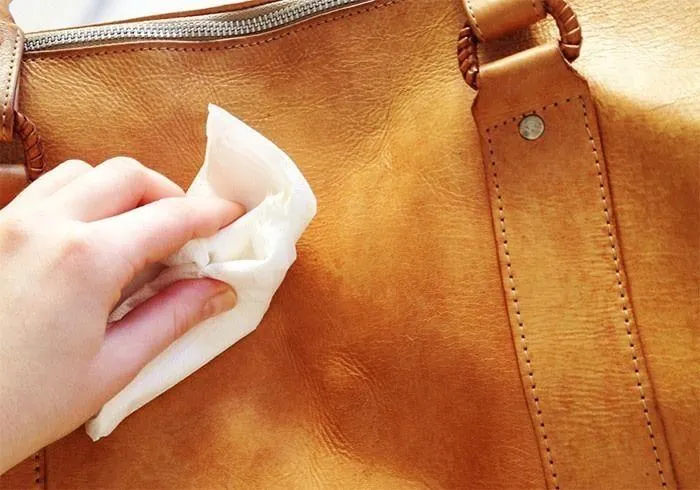
- Wiping the bag with wet wipes before storage — the chemicals in wet wipes wrinkle and fade leather; if you must wipe, use a soft cloth dampened with warm water, wrung out well, then dry immediately.
- Sun-drying a damp bag or blow-drying it — the leather peels, stiffens, and cracks.
When to send it to EXTRIM?
Leather gone stiff and wrinkled after months in the closet, mold spreading in patches, colors bleeding together, oxidized hardware, or peeling handles — these are cases where home treatment usually makes things worse. EXTRIM's luxury bag spa cleans and restores leather by bag size, at 2026 reference prices: cleaning from 300,000–600,000 VND and full spa treatment from 500,000–800,000 VND depending on size; color restoration and hardware refinishing are quoted after inspection. See our bag spa price list for Ho Chi Minh City and how to care for designer bags to preserve resale value.
The final price is confirmed after we inspect the bag's actual condition.
👉 Send photos of your bag for advice before storing it long term
Public case records
Photos in this article illustrate the process — they are not a before–after record with a public case code. EXTRIM does not use illustrative images to promise results for every pair.
Need Professional Attention for Your Item?
EXTRIM provides two-way doorstep courier pickup across Ho Chi Minh City, with up to 80,000 VND off qualifying orders. Service options, final pricing, timing, and any applicable repair warranty are confirmed for each item.