How to Spot a Fake Designer Bag: What to Check Before You Buy
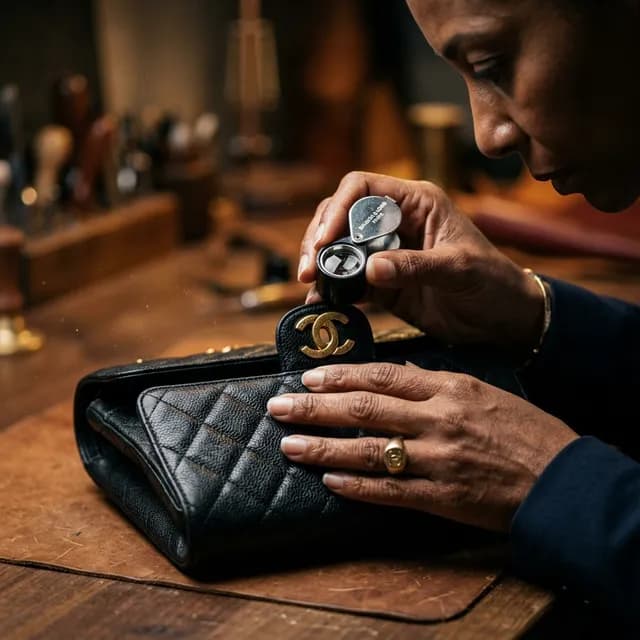
No single sign is enough to conclude that a bag is real or fake. Leather smell, serial codes, hardware, stitching, and surface condition can all flag something off — but counterfeits keep getting more sophisticated. For high-value items, use an independent authentication service and keep receipts, purchase records, and detailed photos before paying.
1. Compare against the exact model
Look up the line name, dimensions, color, material, and release year from official sources or trusted references. Don't use the features of one version to judge every version of the brand.
Check consistency among logo, font, spacing, stamp placement, and stitching. One deviation is a reason to ask more questions — not proof on its own.
2. Examine codes, tags, and accessories
Serial or product codes can support a comparison but aren't a certificate. Fakes can copy codes; genuine older bags may have lost tags, changed structure, or have non-original accessories.
Take close-up photos of the code, date stamp, zippers, logo, base corners, lining, and stitching. If the seller won't show you these areas, treat it as a red flag.
3. Assess hardware and stitching
Look at the finish quality, relative weight, metal edges, plating color, and how tightly the zippers close. Stitching should be compared against the same model; not every genuine bag keeps the same evenness after years of use.
Don't rely on "smell tests" or "metal sound tests" as definitive checks. Odor can come from conditioners, storage warehouses, or packaging; hardware can change through use.
4. Check the leather and coating
Inspect corners, edges, the base, handles, and areas prone to peeling. Real leather can still be dry, blotchy, or scratched — a beautiful surface doesn't automatically prove provenance.
Never use chemicals or hard scrubbing to "test" a bag. One wrong treatment can discolor it or strip the coating before you've gathered enough information.
5. If cleaning or restoration is needed
Cleaning is not an authentication method. A genuine bag can be damaged by the wrong solution, and a fake can look cleaner after a wipe-down. If you're buying secondhand, authenticate first, then decide on cleaning, conditioning, or restoration.
EXTRIM can inspect the leather, lining, structure, and hardware to recommend the right care. Genuine-vs-fake confirmation requires a proper authentication source and should never be inferred from cleaning results alone.
👉 Send photos of your bag for an EXTRIM care assessment
Public case studies
This article is not linked to any authentication record or customer case cleared for publication. It is a reference checklist only, and does not replace the verdict of an independent authenticator.
Need Professional Attention for Your Item?
EXTRIM provides two-way doorstep courier pickup across Ho Chi Minh City, with up to 80,000 VND off qualifying orders. Service options, final pricing, timing, and any applicable repair warranty are confirmed for each item.