How to Fix Cracked Leather on Shoes and Bags
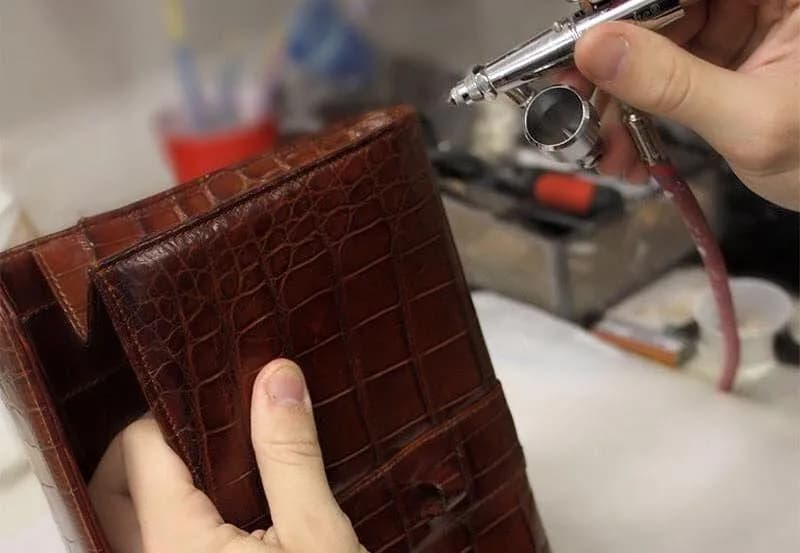
After a few years of use, leather bags and shoes will show small cracks — usually starting where the shoe flexes at the toe or heel, or where a bag folds at its seams. The trouble is that most people notice only once the crack is clearly visible. This guide separates light cracks from deep ones, covers safe home treatment for each level, and shows when to stop.
Why leather cracks
Tanned leather stays supple because of oils worked into its fibers during tanning. Over years of use, those oils dry out; the fibers stiffen and break when folded in the same spot again and again. Sunlight, heat and dry air speed the process up.
Cracking is not the same as peeling: peeling means the surface finish separates, while a crack runs into the leather structure itself. A light crack is a faint line on the surface; a deep one exposes the inner layers and feels rough under a finger.
Light cracks: clean first, then condition
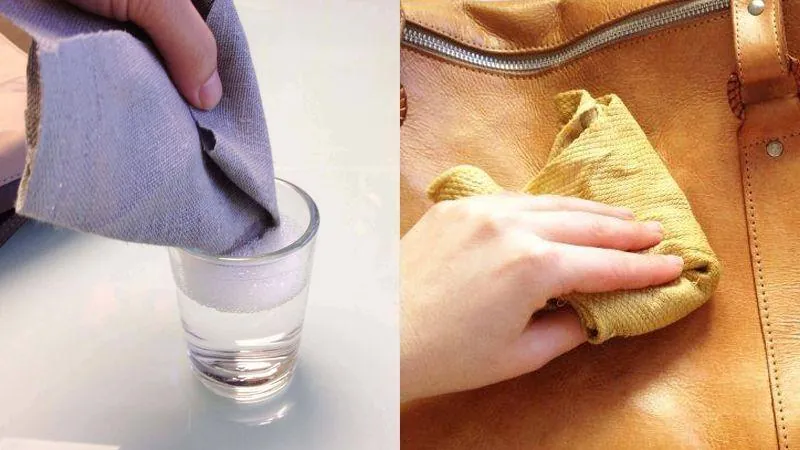
- Wipe the whole surface with a damp cloth or a dedicated leather cleaner and let it dry fully.
- Work a quality leather conditioner in with a soft cloth, using gentle circular motions over the crack and the area around it.
- Leave it overnight so the leather absorbs the conditioner, then buff off any excess the next morning.
- Repeat two or three times if the crack is still visible.
Conditioning makes the crack fade and stops it from spreading. To be honest about the limits: broken fibers do not knit back together. A faint line often becomes hard to spot after a few applications, but a clearly visible crack stays there — just less noticeable.
Deep cracks: stop before you fill them at home
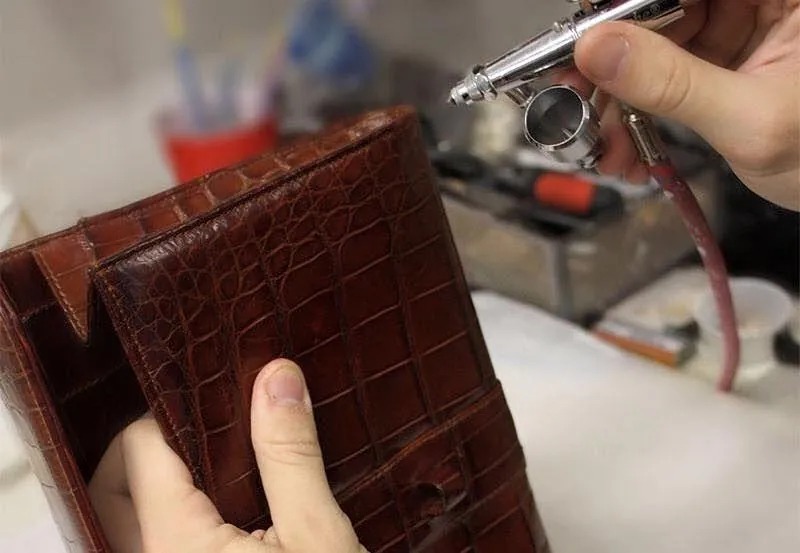
Plenty of guides suggest sanding, applying leather filler and re-dyeing at home. On a valuable piece, this is riskier than the crack itself: the surface easily turns uneven, the dye lands off-tone, and a bad filler job is hard to remove for a proper redo.
Filling with an elastic compound, sanding smooth, color-matching and refinishing demand skilled hands and a properly equipped workspace. This belongs in a restoration workshop, not on the kitchen table.
Prevention costs less than repair
- Condition regularly: every 1–2 months for items in rotation, every 3 months for pieces in storage.
- Insert shoe trees into shoes and acid-free paper or soft cloth into bags to soften folds while stored.
- Keep leather out of direct sunlight and away from heat sources.
- If leather gets wet, wipe it dry and let it air out naturally — never blow-dry it.
For full storage routines, see our guide to caring for and storing leather bags.
When to send your piece to EXTRIM
Stop treating it yourself when the crack exposes inner layers, when it sits on a luxury bag, when the surface around it feels rough or flaky, or when you want the color restored evenly across the whole piece.
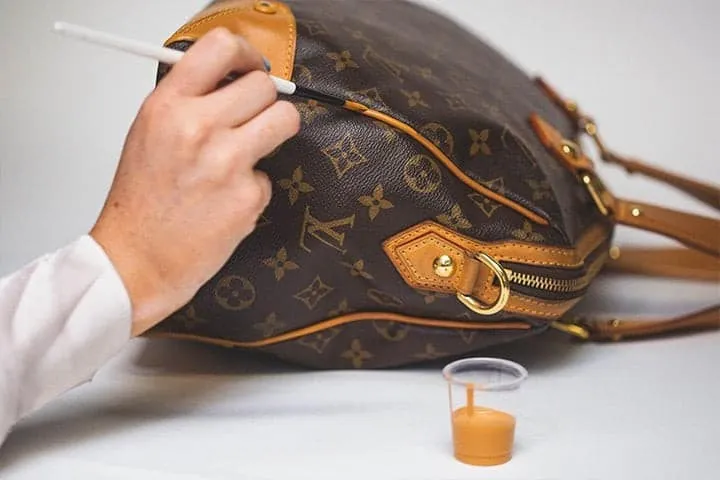
Our shoe repaint and restoration service handles filling and refinishing — 2026 reference prices: body repaint in white or black from 450,000 VND, mixed-color repaint from 550,000 VND, final quote confirmed after inspection. Cracked bags are assessed by size and material through our luxury bag spa; color restoration for bags is quoted after we see the piece.
👉 Send photos of the crack on your shoes or bag for a care assessment
Public case gallery
Photos in this article illustrate the process — they are not a before–after record with a public case code. EXTRIM does not use illustrative images to promise results for every pair.
Need Professional Attention for Your Item?
EXTRIM provides two-way doorstep courier pickup across Ho Chi Minh City, with up to 80,000 VND off qualifying orders. Service options, final pricing, timing, and any applicable repair warranty are confirmed for each item.